How Production Designers Use Artwork to Shape Storytelling On Screen
In film and television, audiences absorb visual information constantly — often without realising it.
Furniture, lighting, architecture, colour palettes, and artwork all contribute to the emotional language of a scene.
Among these elements, artwork plays a uniquely powerful role.
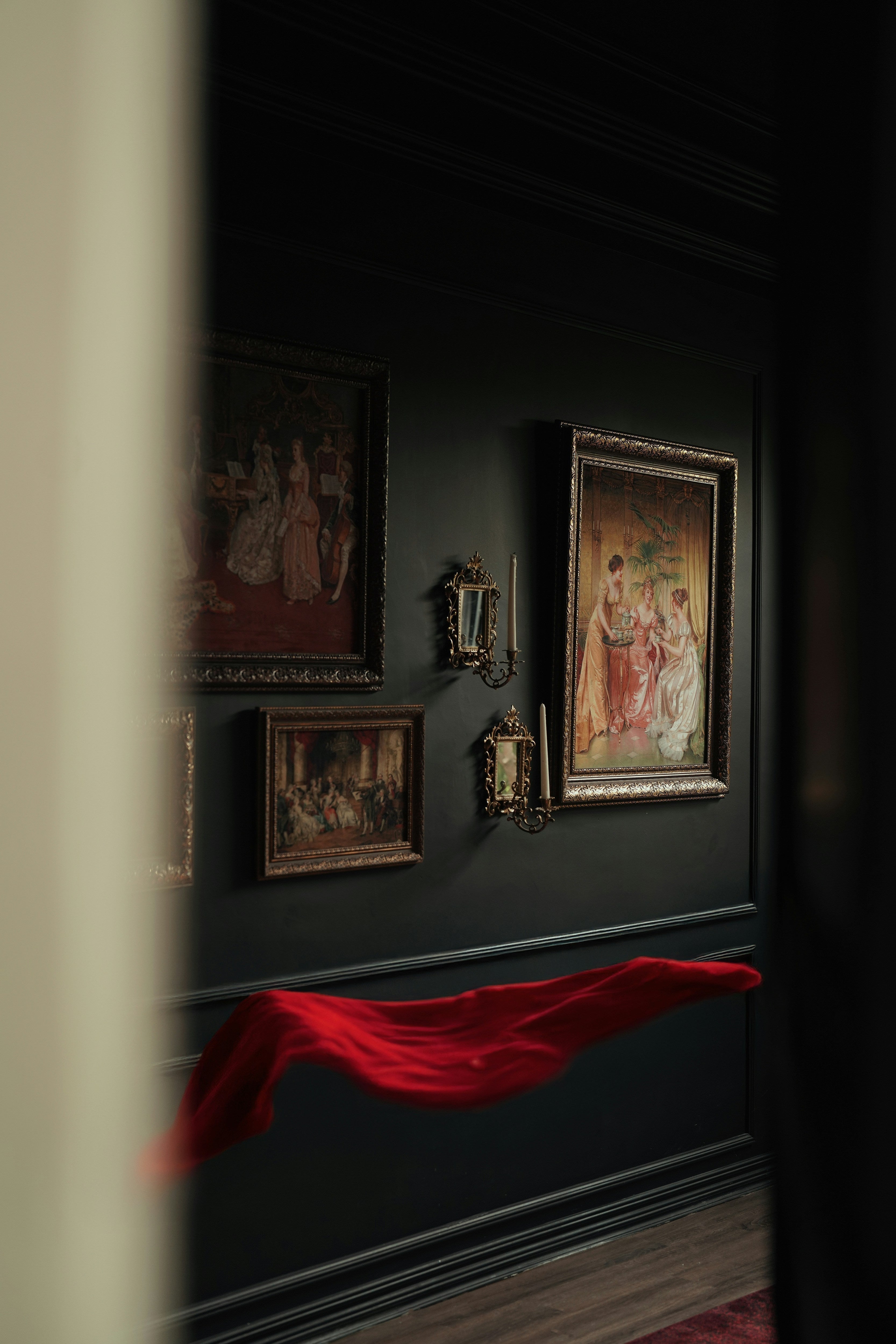
A single painting, print, or framed photograph can communicate wealth, personality, tension, nostalgia, ambition, or emotional instability within seconds.
For production designers and set decorators, artwork is never simply decoration.
It is storytelling.
Artwork Helps Define Character
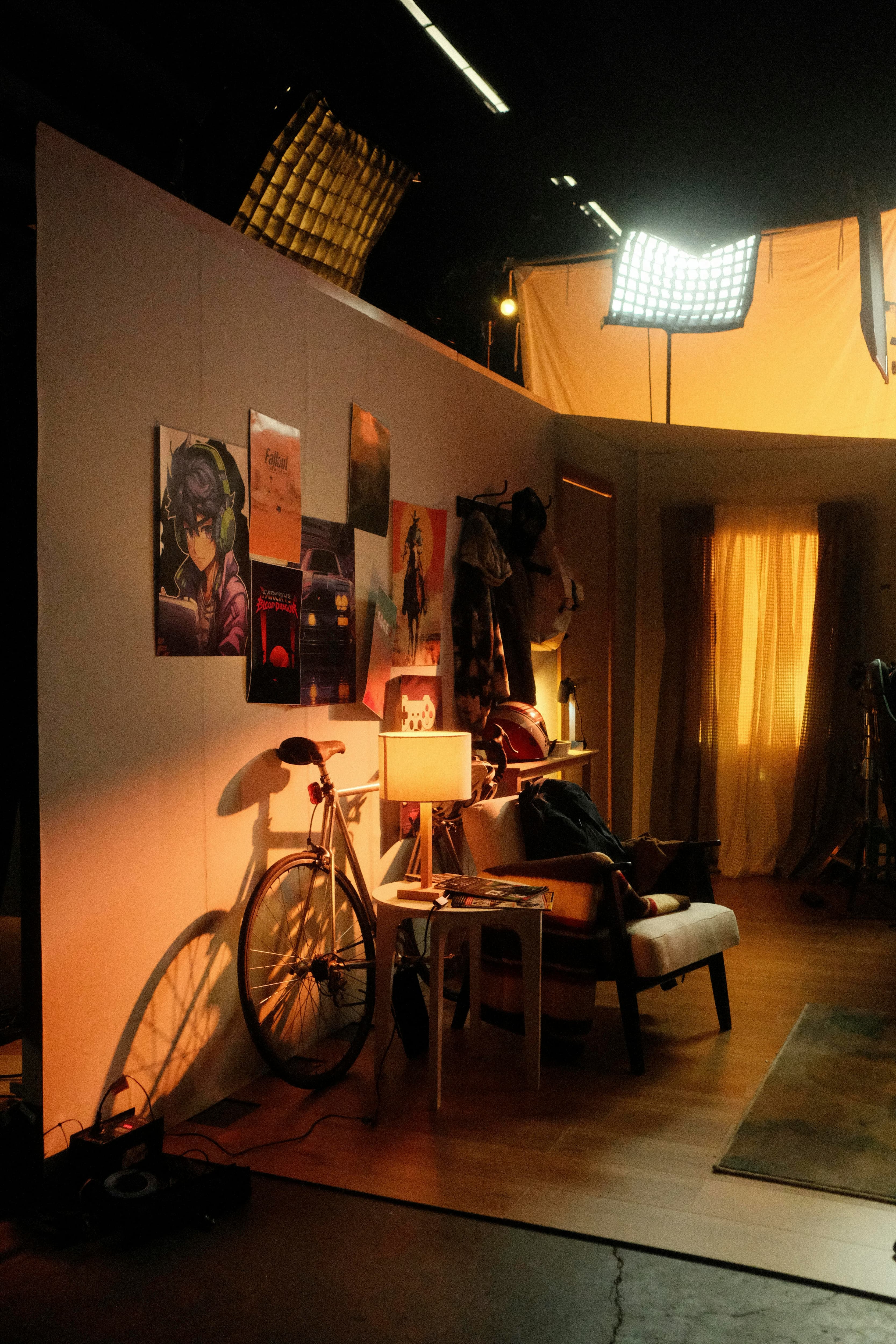
The artwork in a character’s environment often reflects who they are before they speak.
Consider the difference between:
- Minimal contemporary artwork in a luxury penthouse
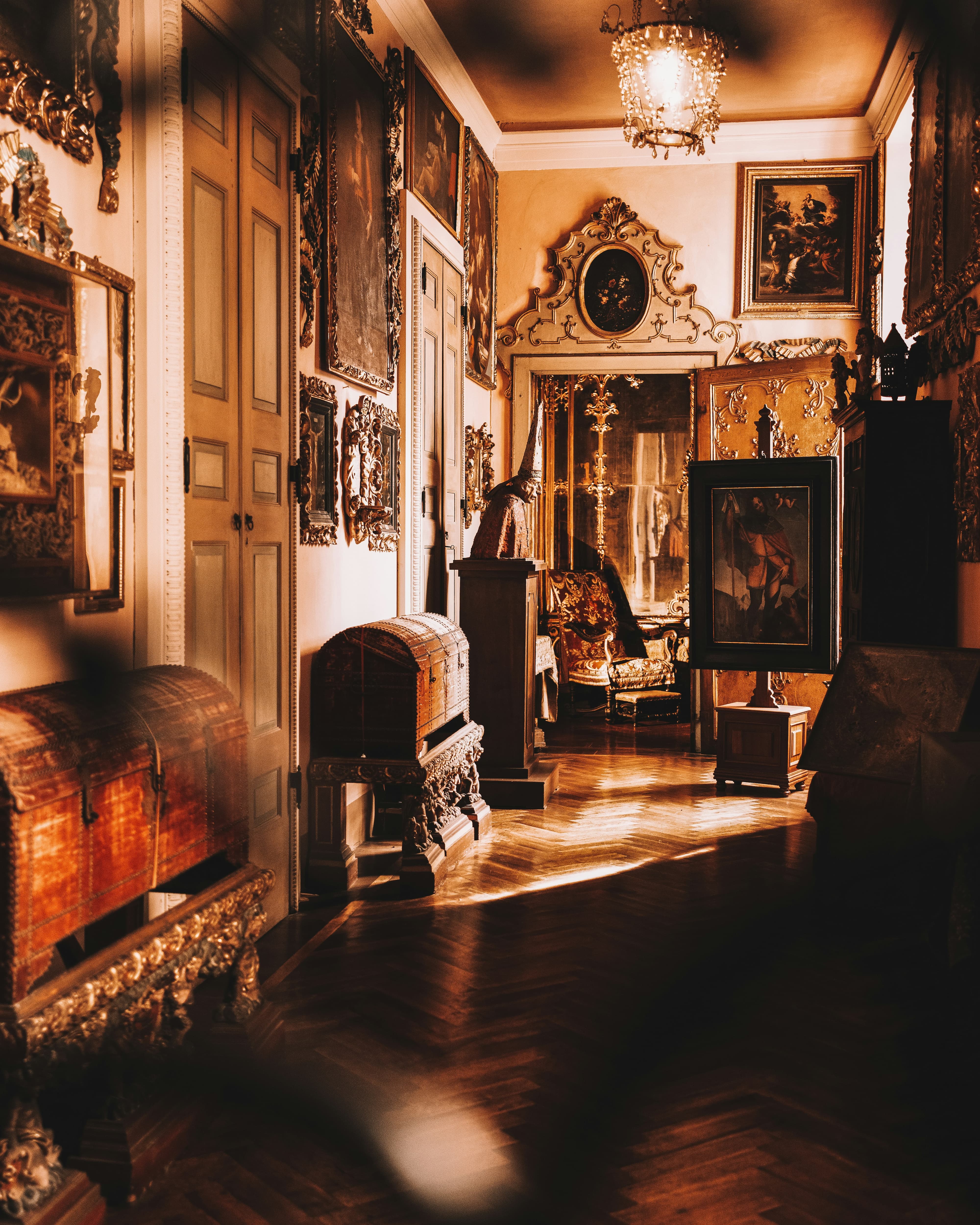
- Vintage landscape paintings in a family home
- Bold abstract work in a creative agency office
- Cheap generic prints in a temporary rental apartment
Each visual choice tells the audience something about the people inhabiting the space.
Artwork can suggest:
- social status
- taste
- profession
- emotional state
- cultural background
- personal history
These subtle visual cues help audiences connect with characters more quickly and naturally.
Building Atmosphere Through Visual Design
Artwork also contributes heavily to mood and atmosphere.
In crime dramas, muted or distressed artwork may reinforce tension and unease.
In romantic films, softer textures and warm colour palettes often support emotional intimacy.
In contemporary streaming productions, carefully selected artwork helps create believable, aspirational interiors that feel authentic to modern audiences.
Well-chosen pieces make sets feel lived in rather than staged.
Authenticity Matters More Than Ever
Today’s audiences are visually sophisticated.
Generic or repetitive artwork can make a set feel artificial, especially in high-definition productions.
Original artwork adds texture, individuality, and realism to environments.
For production teams working under tight schedules, curated licensing platforms provide access to artwork that is both visually strong and production-ready.
This allows creative departments to source pieces quickly without sacrificing quality.
The Practical Side of Artwork Selection
Beyond aesthetics, production designers must also consider:
- clearance rights
- legal approvals
- licensing restrictions
- budget
- installation logistics
- continuity across scenes
Using rights-cleared artwork helps streamline this process significantly.
When licensing is already secured, creative teams can focus on storytelling instead of administrative delays.
Final Thoughts
Great production design works because audiences believe in the world they are seeing.
Artwork helps shape that world.
Whether subtle or striking, carefully selected artwork supports character development, atmosphere, realism, and emotional tone, making it one of the most important visual tools available to production designers.